
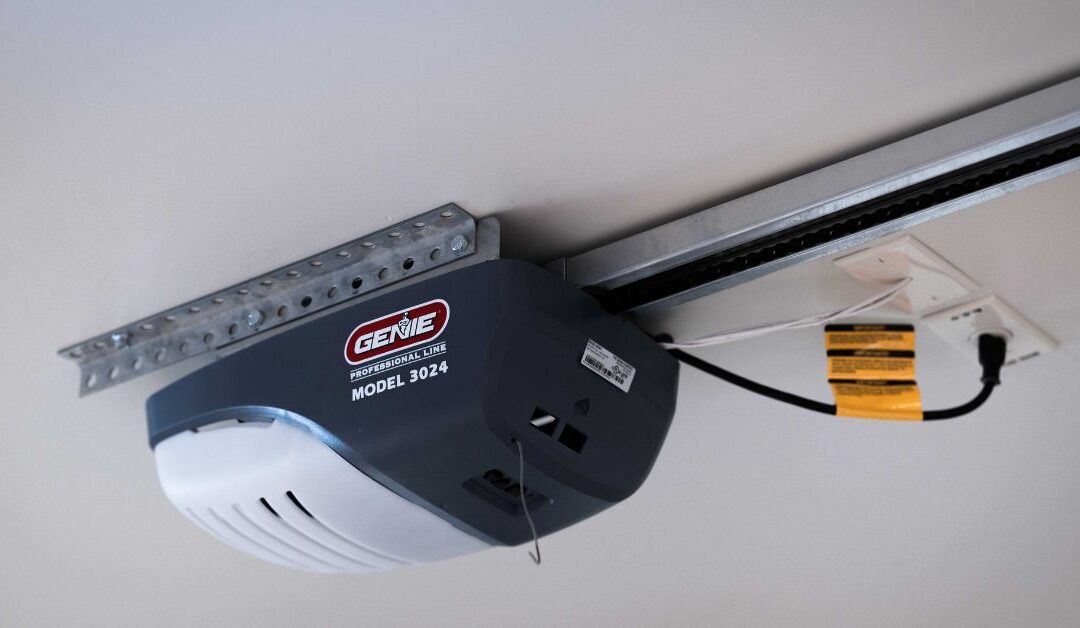
Your garage door opener is one of those things you don’t think too much about until it starts acting up. Maybe it groans every time you open the garage, hesitates before the door starts moving, or only responds after you’ve clicked the button three times.
But how do you know when a simple repair is the answer or when a garage door opener replacement is the way to go?
In this guide, we’ll cover how long garage door openers typically last, the signs yours may be nearing the end of its life, and the features worth considering if you’re due for a new one.
Central Oregon Garage Door is a Redmond-based garage door company that has installed and repaired garage doors across Deschutes, Jefferson, and Crook counties since 2005.
How Long Do Garage Door Openers Last?
A typical garage door opener can last around 10 to 15 years. However, some systems may continue working longer with proper maintenance and relatively light use.
That doesn’t mean an opener automatically needs to be replaced once it reaches its 10th birthday. Age is one factor to consider, but it’s not the only one. A well-maintained opener that’s operating reliably may have plenty of life left.
On the other hand, an older opener that’s becoming noisy, unreliable, or increasingly expensive to repair may no longer be worth keeping around.
5 Signs It’s Time for a Garage Door Opener Replacement
How do you know when your opener has crossed the line from being “a little temperamental” to being overdue for a replacement? There are several signs to watch for.
1. Your Garage Door Opener Has Become Unusually Noisy
Some noise is normal, but if your opener has gradually gone from its usual hum to grinding, rattling, squealing, or a sound similar to a freight train, it’s worth having it inspected.
Worn components can cause excessive noise, drive-mechanism problems, or issues elsewhere in the garage door system. In some cases, a simple repair is the solution. In others, especially with an older opener, a replacement may make more sense.
2. The Opener Only Works When It Feels Like It
A garage door opener that works perfectly one day and doesn’t cooperate the next is a major inconvenience. Operation issues can stem from low batteries, sensor problems, wiring, or a power supply issue. That’s why it’s worth having the system diagnosed before assuming you need a new opener.
3. You’re Constantly Repairing It
Every mechanical system needs occasional maintenance, and replacing a single worn component is a perfectly reasonable solution. But if repair calls are becoming a regular part of your life, it’s worth upgrading instead.
4. Your Opener Is Getting Up There in Age
Age alone doesn’t mean your garage door opener has to go. If a 12-year-old opener is quiet, reliable, and functioning properly, there’s no reason to replace it just because.
But an older opener combined with other warning signs is a different story. If your system is 10 to 15 years old and you’re dealing with noise, unreliability, outdated technology, or have had repeated repairs, it’s worth looking into replacement options with a garage door professional.
5. Your Safety or Security Features Are Outdated
Depending on the model, newer systems may include improved safety technology, rolling-code security, battery backup, smartphone connectivity, and other convenience features.
If your opener is old enough that its safety or security technology feels like it belongs in another decade, a garage door opener replacement may be worth considering.
Should You Repair or Replace Your Garage Door Opener?
Not every garage door opener problem calls for a replacement. In fact, if your opener is relatively new and the problem has an obvious, repairable solution, fixing it may be ideal.
For example, a professional may be able to resolve problems caused by worn gears, faulty wiring, remote controls, or other components. Sometimes the issue isn’t with the opener at all. A door that’s out of balance or having trouble moving along its tracks can put extra strain on the opener and make it seem like the motor is failing.
That’s why a proper inspection matters before you decide.
A garage door opener replacement makes the most sense when the opener is older, unreliable, noisy, or requires frequent repairs. If you’re repeatedly paying to fix an aging system, those repair costs can add up quickly. At some point, putting that money toward a new, more efficient opener may make more sense.
Types of Garage Door Openers
If you decide to look for a replacement, you’ll quickly find many options to consider. Which one you invest in depends on your garage, your door, and how you use it.
Chain-Drive Openers
Chain-drive openers use a metal chain to move the garage door along its track. They’re a long-standing option and are often chosen for their durability and straightforward design.
The tradeoff? They tend to be noisier than some other options. That may not matter much if your garage is detached from the house, but it can be worth skipping if there’s a bedroom or living space above or next to the garage.
Belt-Drive Openers
Belt-drive openers work similarly but use a reinforced belt instead of a metal chain.
Their biggest selling point is generally quieter, smoother operation. That can make a noticeable difference in an attached garage, particularly when bedrooms or other frequently used rooms are nearby.
Screw-Drive Openers
Screw-drive garage door openers rely on a threaded steel rod to operate the door. They have fewer moving parts than some other drive systems and are known for their relatively straightforward design. However, they often require more maintenance and are noisier.
Jackshaft Wall Mounted Operators
Jackshaft models are installed beside the garage door rather than overhead. This design can free up ceiling space and eliminate the traditional overhead opener rail. It can be especially useful for garages with high or unusual ceilings, storage concerns, or certain architectural configurations.
A professional can help determine which drive system is compatible with your garage door and configuration. There’s no prize for choosing the fanciest opener on the shelf. The right one is the one that fits your home and how you actually use it.
Features Worth Considering in a New Garage Door Opener
Once you’ve chosen the type of garage door opener that’s best for you, you’ll want to consider the other features it comes with. Here are some options to look for:
- Battery Backup: A garage door opener that has a backup battery can keep operating during a power outage, letting you open and close the door when the power is out.
- Smart Controls: Smart garage door openers can access your home’s Wi-Fi and allow you to monitor or control the door using a smartphone. Depending on the model, you may be able to receive notifications as the door opens or closes or check its status remotely.
- Quieter Operation: Belt-drive and wall-mount systems are designed for quieter operation, although the overall noise level depends on the condition of the garage door itself. Worn rollers, hinges, tracks, or other components can make noise even if the opener is quiet.
- Better Security: Depending on the model, these can include rolling-code technology, encrypted communication, smartphone alerts, and other features.
You don’t necessarily need every feature available. Consider which ones would actually make your daily routine safer or easier, then choose an opener that provides those benefits without paying for technology you’ll never use.
What to Expect During a Garage Door Opener Installation
Replacing a garage door opener involves more than removing the old unit and installing a new one. A professional will start by looking at the garage door itself. Why? Because even the best opener can struggle if the door is damaged, unbalanced, or not moving properly.
A technician will examine the garage door and all of its components. Once it’s been ensured that the door is in working order, the new opener can be installed and configured. This process includes mounting the opener, connecting it to the door, and programming the remotes.
Finally, the technician will run the door through multiple test cycles. This allows them to confirm the door opens and closes smoothly and that everything is working properly.
Looking for a Garage Door Opener Replacement?
If you’re not sure whether you need a repair or a garage door opener replacement, you don’t have to guess. Reach out to a garage door professional for an honest assessment and recommendation. A good pro will help you understand your options, not convince you to replace something that still has plenty of life left in it.
Request a free estimate or call us at (541) 593-5700.
FAQ About Garage Door Opener Replacements
How often should a garage door opener be replaced?
Most garage door openers last around 10 to 15 years. However, lifespans vary based on use, maintenance, quality, and the condition of the garage door. An opener that is older and becoming noisy, unreliable, or costly to repair may be worth replacing even if it still works.
Is it better to repair or replace a garage door opener?
It depends on the opener’s age, condition, and the problem you’re experiencing. A newer opener with one straightforward issue may be a good candidate for repair. If an older unit has recurring problems, lacks modern safety or security features, or needs increasingly frequent repairs, replacement may be more practical.
What type of garage door opener is the quietest?
Belt-drive openers are generally known for quieter, smoother operation than traditional chain-drive models, making them a popular choice for garages attached to living spaces. Wall-mounted openers can also offer quieter operation depending on the model and door system.
