
Your garage door is one of the hardest-working parts of your home. If you’re like most homeowners, it’s probably your main entry point—opening and closing multiple times every single day. But when was the last time you had it serviced?
If you can’t remember, you’re not alone. Garage door maintenance isn’t exactly top-of-mind for most people. But here’s the truth: regular servicing can save you money, prevent inconvenient breakdowns, and keep your family safe. So how often should you actually service your garage door, and what happens if you don’t?
Let’s break it down.
The Industry Standard: Annual Service for Most Homes
For the average homeowner, annual garage door service is the recommended standard. Once a year is typically enough to keep your door running smoothly, safely, and efficiently—especially if your door gets moderate use.
But there’s an important caveat: the more you use your door, the more attention it needs. If your garage door is your primary entrance (which is true for many families), you’re putting thousands of cycles on that system every year. Each time your door goes up and down, it puts wear on the springs, rollers, cables, and other moving parts. Over time, that wear adds up.
Think of it like changing the oil in your car. You wouldn’t skip oil changes just because your car still runs, right? The same principle applies to your garage door. Regular maintenance helps catch small issues before they turn into big, expensive problems.
High-Use Doors May Need More Frequent Service
If you use your garage door several times a day—say, 10 or more cycles—you might benefit from servicing it more than once per year. Commercial properties, rental units with shared garage access, or homes where the garage is the sole entry point may fall into this category.
The more cycles your door completes, the faster components like springs and rollers wear out. Staying ahead of that wear with proactive maintenance can extend the lifespan of your system and prevent unexpected failures.
Warning Signs You’ve Waited Too Long
How do you know if your garage door is overdue for service? Your door will usually give you some clues. Here are the most common warning signs:
Unusual Noises
If your garage door sounds like it’s auditioning for a horror movie, that’s a red flag. Grinding, squeaking, scraping, or rattling noises often indicate that moving parts aren’t properly lubricated or that something is out of alignment.
Central Oregon’s dry climate can be especially tough on garage doors. Without adequate lubrication, metal-on-metal contact creates friction, which leads to noise and accelerated wear. Dust and debris can also build up on moving parts, causing them to bind or grind.
Slow or Jerky Operation
A healthy garage door should move smoothly and consistently from open to close. If your door hesitates, jerks, stutters, or seems slower than usual, it’s a sign that something isn’t working correctly. This could be a lubrication issue, misaligned tracks, worn rollers, or springs that are losing tension.
The Door Doesn’t Open or Close All the Way
If your door stops partway through its cycle, reverses unexpectedly, or won’t close completely, there could be several culprits: misaligned safety sensors, worn cables, improperly adjusted force settings, or track obstructions.
Obstructed or Dirty Photo Eyes
Photo eyes (also called safety sensors) are those small sensors on either side of your garage door near the floor. They’re designed to prevent the door from closing if something—or someone—is in the way. But they can’t do their job if they’re covered in cobwebs, dust, leaves, or blocked by items like brooms, shovels, or storage bins.
If your door refuses to close or keeps reversing, check your photo eyes first. They need a clear line of sight and clean lenses to function properly.
Visible Wear or Damage
Take a look at your door. Do you see frayed cables, bent tracks, cracked weather seals, rusted hinges, or sagging sections? These are all signs that your door needs professional attention. Ignoring visible damage won’t make it go away—it’ll only get worse (and more expensive to fix).
The Door Feels Heavy or Unbalanced
Your garage door opener does the heavy lifting, but the springs do most of the actual work. If your door feels unusually heavy when you lift it manually, or if it doesn’t stay in place when you open it halfway, your springs may be losing tension or starting to fail.
A properly balanced door should stay put when you open it halfway. If it falls or shoots up, it’s time for service.
What’s Included in a Professional Garage Door Service?
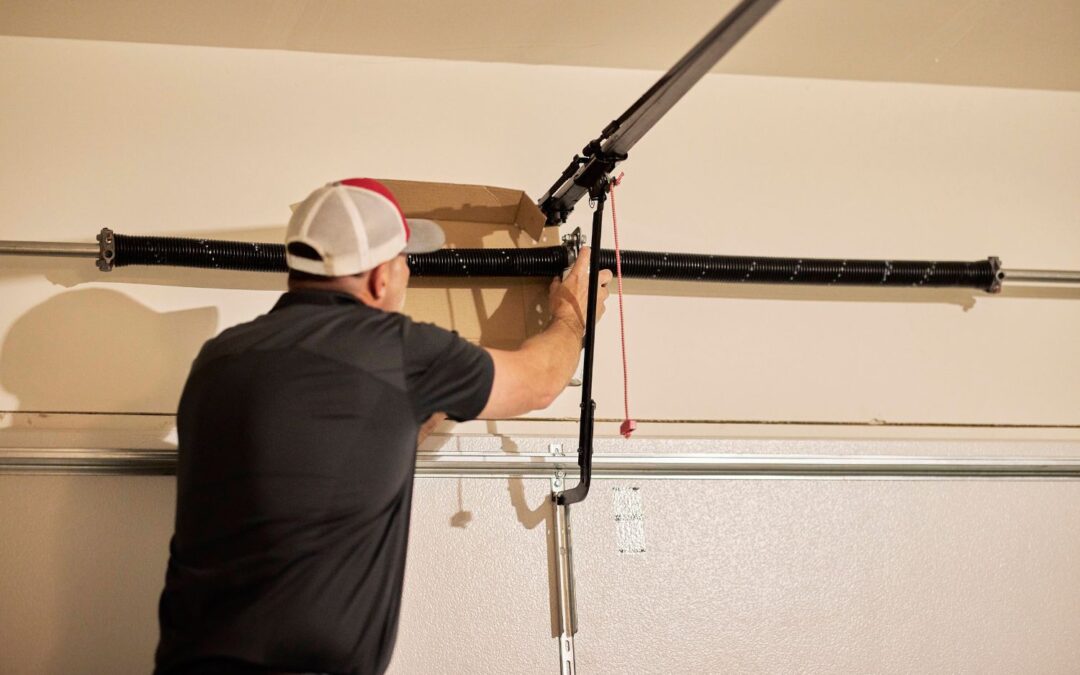
So what exactly happens during an annual service appointment? At Central Oregon Garage Door, we perform a detailed 25-point inspection to make sure everything is working safely and efficiently. A typical service appointment takes about an hour and includes both visual checks and hands-on testing of the following components:
- Springs & tension – We check spring condition and adjust tension to ensure proper door balance
- Rollers, cables, drums & pulleys – We inspect for wear, fraying, or damage that could lead to failure
- Tracks, struts, jamb brackets & bearing plates – We look for alignment issues, bends, or damage
- Bottom rubber seal, weatherstripping & climate seal – We check seals for cracks, gaps, or wear that could affect energy efficiency
- Sections & hinges – We examine door panels and hinges for damage, rust, or looseness
- Remotes, keypads & safety eyes – We test all controls and clean/align photo eyes
- Trolley rail, chain/belt systems – We inspect the opener’s drive system for wear or slack
- Operator motor, gear assembly, electrical wiring – We check the motor and electrical components for proper function
- Force & limit settings – We test and adjust settings to ensure safe operation
We physically inspect and operate every moving part to ensure it’s functioning properly. If we spot anything worn, broken, or out of alignment, we’ll let you know right away.
As part of every service appointment, we also oil and lubricate all moving parts. Proper lubrication is one of the simplest yet most effective ways to reduce wear, minimize noise, and extend the lifespan of your garage door system.
How Regular Maintenance Saves You Money
Annual garage door service might feel like an added expense, but it’s actually an investment that pays for itself over time. Here’s how:
Prevents Expensive Emergency Repairs
A broken spring or snapped cable doesn’t just happen overnight—it’s usually the result of months or years of gradual wear. Regular service catches these issues early, when a simple adjustment or replacement can prevent a much more expensive emergency repair down the road.
Extends Component Lifespan
Garage door components have a finite lifespan, measured in cycles. For example, standard torsion springs are typically rated for 10,000 to 15,000 cycles, while high-cycle springs can last 25,000 cycles or more. Rollers, cables, and hinges also wear down over time.
With regular lubrication and maintenance, these components can reach—or even exceed—their expected lifespan. Without it, friction and wear accelerate, and parts fail prematurely. Replacing a $400 spring every 7 years is a lot cheaper than replacing a $400 spring every 4 years.
Reduces Energy Costs
Worn weather seals, misaligned doors, and gaps around the frame allow cold air in during winter and hot air in during summer. If your garage is attached to your home, this can significantly impact your heating and cooling costs.
Central Oregon winters can be cold and snowy. Making sure your garage door is properly sealed and maintained before winter sets in can help keep your home more comfortable and energy-efficient. (Here are some additional tips for how to prepare your garage door for a Central Oregon winter.)
Protects Your Investment
A garage door system is a significant investment—typically several thousand dollars for a quality door and opener. Regular maintenance protects that investment by keeping everything in good working order and preventing avoidable damage.
Simple Maintenance Tasks You Can Do Yourself
While annual professional service is essential, there are a few simple things you can do between appointments to keep your door in good shape:
Keep It Clean
Keep your garage door and the surrounding area free of clutter. Clear away any debris, leaves, or tools that might block the door’s path while it opens or closes. This prevents damage and ensures your safety sensors work properly.
Lubricate Moving Parts
You can lubricate rollers, hinges, and tracks on your own to keep your door running smoothly between professional service appointments. Just make sure you’re using the right kind of garage door lubricant—not regular WD-40, which is a solvent rather than a lubricant and can actually attract dust and grime.
A silicone-based or lithium-based garage door lubricant works best. Apply it sparingly to the moving parts, and avoid overdoing it. Too much lubricant can attract dirt and create buildup.
Replace Weather Seals
If the bottom seal or side weather stripping is worn, cracked, or damaged, replacing it is a relatively simple DIY project that can improve energy efficiency and keep dust and moisture out of your garage. Most hardware stores carry replacement seals, and installation typically requires just basic tools.
Test Your Safety Features
Once a month, test your garage door’s auto-reverse feature by placing a small object (like a roll of paper towels) in the door’s path. The door should reverse immediately when it makes contact. If it doesn’t, call a professional right away—this is a critical safety feature.
You should also test your photo eyes by waving an object between them while the door is closing. The door should stop and reverse. If it doesn’t, check to make sure the sensors are clean and aligned.
What You Shouldn’t DIY: Safety First
Here’s the thing: your garage door system is heavy, powerful, and under an incredible amount of tension. A typical residential garage door weighs 150 to 300 pounds or more, and the springs that lift it are under enough tension to cause serious injury—or even death—if they’re not handled properly.
Never attempt to adjust or replace garage door springs yourself. This is a job for trained professionals who have the right tools and knowledge to do it safely. The same goes for cable repairs, track realignment, and major hardware adjustments.
If you’re not trained to handle it, attempting these repairs can lead to serious injury or a more expensive fix than you started with. When in doubt, call a professional. You can also read this blog post for a more detailed breakdown of when to call the pros versus tackling a DIY project.
Commercial Garage Doors Are a Different Story
If you own or manage a commercial property with warehouse doors, loading dock doors, or high-traffic garage doors, your service needs are different from those of a typical residential homeowner.
Commercial garage doors often see significantly more use—sometimes dozens or even hundreds of cycles per day. This accelerated wear means they need more frequent servicing to prevent breakdowns that could disrupt business operations.
Preventive maintenance is especially critical for commercial properties. Regular service helps you:
- Identify and address minor issues before they become major problems
- Keep your business running smoothly without unexpected downtime
- Maximize the return on your investment in commercial door systems
- Ensure compliance with safety regulations
For high-use commercial doors, quarterly or even monthly service may be appropriate, depending on usage patterns. A professional garage door company can help you develop a maintenance schedule tailored to your specific needs.
When to Schedule Your Annual Service
Wondering when to schedule your garage door service? For Central Oregon homeowners, fall is an ideal time to have your door serviced—before the cold and snowy winter weather sets in.
Cold temperatures can make existing problems worse. Springs become more brittle, lubricants thicken, and weather seals contract. By scheduling service in the fall, you ensure your door is ready to handle whatever winter throws at it.
That said, any time of year is better than waiting until something breaks. If it’s been more than a year since your last service—or if you’ve never had your door professionally serviced—now is the time to schedule an appointment.
If you’re in Central Oregon and it’s time for your annual garage door service, Central Oregon Garage Door is here to help. Our detailed 25-point inspection covers everything from springs and cables to safety sensors and weather seals. We’ll make sure your door is running smoothly, quietly, and safely—so you can stop worrying about it.
Contact us today to schedule your annual garage door service appointment. Your door works hard for you every day—it deserves a little attention in return.
